Ausangate Glacier + Vinicunca
The Ausangate Glacier and the Rainbow Mountain (Vinicunca) are two of the most impressive natural icons in southern Peru, located in the same mountain range but offering distinct experiences.
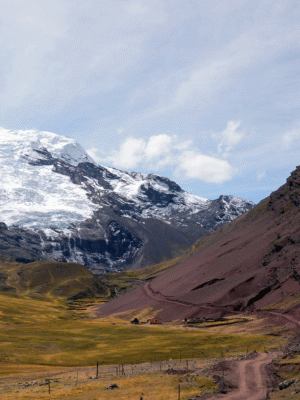
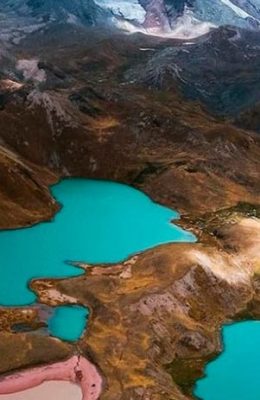
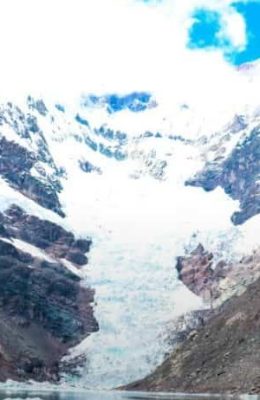
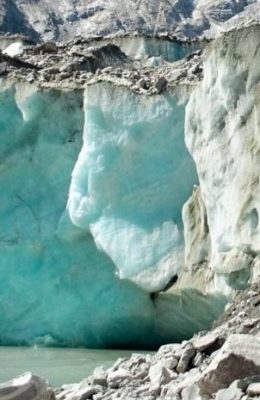
Nevado Ausangate is a colossus of ice, a sacred peak rising 6,384 meters above sea level. For Andean communities, it is an “Apu” or mountain spirit, giver of water and protector of life. The entire trek around it is a multi-day adventure, where the landscapes are dominated by the immensity of the glacier, intensely colored lagoons, and the solitude of the high mountains. It is a trip for those seeking a physical challenge and a deep connection with wild nature.
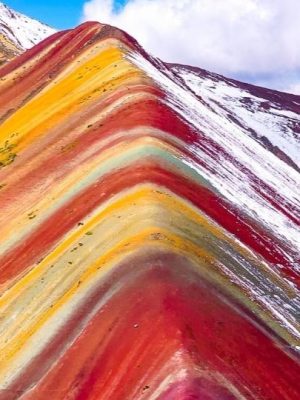
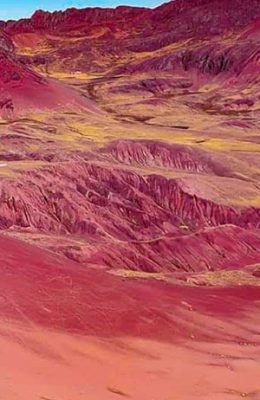
The Rainbow Mountain (Vinicunca) is a geological phenomenon located very close to Ausangate. Its slopes, formed by the sedimentation of minerals, display a palette of vibrant colors ranging from red and orange to green and yellow. The hike to the summit of Vinicunca, at 5,036 meters above sea level, is shorter and more popular. Although challenging due to the altitude, the panoramic views of the “Earth’s rainbow” and the imposing Ausangate in the distance have made it one of Peru’s most famous attractions.
Introduction
G. Ausangate y Vinicunca
In the mystical lands of the Peruvian Andes, two natural wonders stand as silent guardians of an otherworldly landscape: the sacred glacier of Apu Ausangate and the surreal Rainbow Mountain (Vinicunca). These formations are much more than simple snow-capped peaks and colorful slopes. Together, they tell an ancient geological and cultural story, inviting us on a journey where the immensity of nature meets the spirituality of humanity. They are the beating heart of a region that is both a challenge for the body and a gift for the soul.
Difficulty and Preparation
- Difficulty: Moderate to high due to altitude and uneven terrain
- Preparation: It is essential to acclimatize to the altitude before starting the trek.
- Equipment: Thermal clothing, trekking boots, hiking poles, sunscreen and camping gear
FULL DAY
One-Day Itinerary to the Ausangate Glacier + Vinicunca
Option 1: One-Day Tour to Rainbow Mountain (Vinicunca)
This is the most popular tour to see Rainbow Mountain. During the tour, you’ll have panoramic views of the Ausangate Mountain in the distance.
- 4:30 a.m.: Departure from Cusco.
- 7:30 a.m.: Breakfast in Cusipata.
- 9:00 a.m.: Start the approximately 1.5-hour hike to the mountain summit.
- 11:00 a.m.: Arrival at the main viewpoint to admire Rainbow Mountain and Ausangate Mountain in the distance.
- 12:00 p.m.: Descent and return to the bus.
- 1:30 p.m.: Lunch in Cusipata.
- 5:00 p.m. to 6:00 p.m.: Return to Cusco.
________________________________________
Option 2: Day Tour to the 7 Ausangate Lagoons
This excursion focuses on the glacial landscape of Ausangate and its lagoons, but does not include Rainbow Mountain.
- 4:00 a.m.: Departure from Cusco.
- 7:00 a.m.: Breakfast in the community of Pacchanta.
- 8:00 a.m.: Start of the hike to explore the 7 vibrantly colored lagoons. Along the way, you will be very close to the imposing Ausangate Glacier.
- 1:00 p.m.: Lunch and time to enjoy the Pacchanta hot springs.
- 3:00 p.m.: Return to the bus.
- 6:00 p.m. at 7:00 p.m.: Return to Cusco.
The only way to fully experience both sites is through a multi-day trek (usually 4 or 5 days), which takes you through the Vilcanota Mountains and allows you to see both Ausangate and Vinicunca up close.
INCLUDES + ROUTE DETAILS
Transportation
- Hotel pickup in Cusco.
- Transportation to the trek start (Mollepata or Soraypampa).
- Return by train/bus from Aguas Calientes to Cusco (depending on the package).
Meals
- Breakfast, lunch, and dinner during the trek.
- Snacks (tea, hot water, cookies).
- Cook and assistants during the trek.
Safety
- First aid kit.
- Emergency oxygen.
• Admission to Ausangate Glacier and Vinicunca (15-20 soles)
• Tips
Before the Trek
- Acclimatization: Arrive in Cusco at least 2–3 days early to get used to the altitude.
- Pre-training: Hiking, running, or light cardio to build endurance.
- Sleep well: Avoid staying up late or drinking alcohol the day before.
Equipment and Clothing
- Small backpack (30–40L): To carry water, snacks, a camera, a coat, and daily essentials.
- Large backpack (60–70L): If you don’t hire additional porters (mules usually carry some of the weight).
- Layered clothing:
o Quick-drying t-shirts.
o Fleece jackets or a mid-layered coat.
o Waterproof and windproof jacket.
o Thermal clothing for the evenings (it gets very cold in Soraypampa).
- Trekking footwear: Sturdy, comfortable, and waterproof boots.
- Sandals/light sneakers: For resting at camp.
- Hat, sunscreen, and sunglasses (the sun is strong at high altitudes).
- Gloves, hat, and scarf (it can be cold in the early morning).
- Headlamp with extra batteries.
- Sleeping bag with a temperature of -10°C (if not, rent one).
Food and Hydration
- Bring a reusable water bottle or camelback (minimum 1.5–2 L).
- Water purification tablets or a personal filter.
- Energy snacks: nuts, chocolate, cereal bars.
- Avoid alcohol and heavy meals during the trek.
Health and Safety Tips
- Walk at your own pace, without rushing (especially on the climb to Salkantay Pass, 4,650 m).
- Use coca leaves or sorojchi pills if you experience symptoms of altitude sickness.
- Protect yourself from the cold at night and from the sun during the day (sudden changes in weather).
- Bring a personal first aid kit: pain relievers, band-aids, and your own medications.
- Always follow the guide’s instructions.
Extras to Consider
- Cash in soles (for swims, extra snacks, tips, and the Cocalmayo hot springs).
- Swimsuit and a light towel if you plan to go to the hot springs.
- Camera with extra battery (there’s not always electricity to charge).