Salkantay
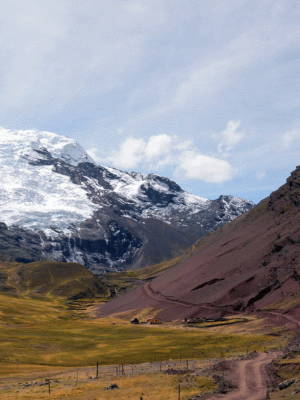
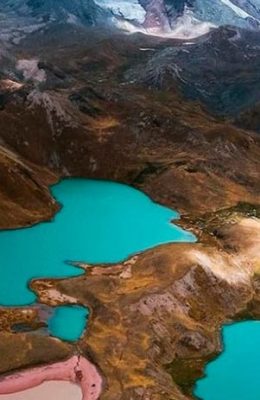
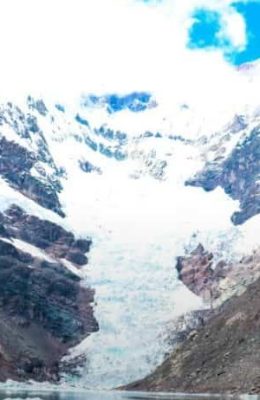
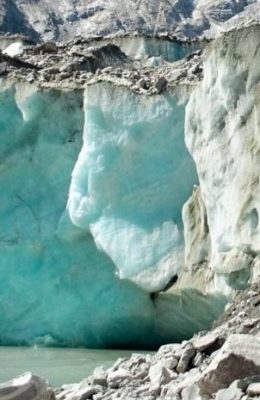
Salkantay is world-famous for the Salkantay Trekking Route, a challenging and spectacular alternative to the traditional Inca Trail, which culminates at the citadel of Machu Picchu. This trek is highly praised by publications like National Geographic Adventure Travel, which has included it among the 25 best hikes in the world. The route traverses an incredible diversity of ecosystems, from the icy high-mountain landscapes with snow-capped peaks and the famous Humantay Lake (at 4,650 m / 15,256 ft at the highest point of Salkantay Pass), to the descent into the lush, warm cloud forest and jungle fringe. The journey offers breathtaking views of the Salkantay glacier and a rich flora and fauna, including a great variety of orchids. It is an unforgettable experience of adventure and connection with nature and the living culture of the Peruvian Andes
Introduction
Salkantay
The Salkantay Mountain (Nevado Salkantay) is an imposing and majestic peak located in the Vilcabamba Mountain Range, in the Cusco region of Peru. Its name, of Quechua origin, means “Wild Mountain” or “Inaccessible Mountain,” a perfect reflection of its dominant nature. Salkantay is one of the highest peaks in the area, reaching an altitude of 6,271 meters (20,574 feet) above sea level, and is considered an “Apu” or sacred deity in the Andean cosmovision, revered since ancient times.
Difficulty and Preparation
- Difficulty: Moderate to high due to altitude and uneven terrain
- Preparation: It is essential to acclimatize to the altitude before starting the trek.
- Equipment: Thermal clothing, trekking boots, hiking poles, sunscreen and camping gear
4 DAYS- 3 NIGHTS
Day 1: Cusco – Soraypampa – Humantay Lake – Camp (Difficulty: Moderate-Challenging)
- Morning (04:30 – 09:00): Early start with pick-up from your Cusco hotel and travel by transport to Mollepata and Challacancha (the trekking starting point). Breakfast is usually served en route.
- Mid-Day (09:00 – 14:00): Begin the hike toward the first camp at Soraypampa (3,900 m / 12,795 ft). Lunch is served at the campsite.
- Afternoon (14:30 – 17:30): Ascent hike to the spectacular Humantay Lake (4,200 m / 13,780 ft), a stunning turquoise glacier lake. Return to the campsite for dinner and overnight stay.
Day 2: Soraypampa – Salkantay Pass – Chaullay/Collpapampa (Difficulty: Challenging)
- Morning (05:00 – 12:00): The most important and demanding day. Breakfast is followed by an ascent to the highest point: Salkantay Pass (4,650 m / 15,256 ft), right below the imposing Salkantay Peak. Enjoy panoramic views.
- Mid-Day (12:00 – 13:30): Begin the long descent toward Huayracmachay for lunch.
- Afternoon (13:30 – 18:00): Continue descending through the “cloud forest” (high jungle). The landscape becomes green, humid, and warm. Arrival at the campsite in Chaullay or Collpapampa (2,900 m / 9,514 ft). Dinner and overnight stay.
Day 3: Chaullay – La Playa – Hidroeléctrica – Aguas Calientes (Difficulty: Moderate)
- Morning (07:00 – 12:00): Breakfast and a downhill hike through the high jungle. You will pass coffee, tropical fruit, and orchid plantations. Arrive at the town of La Playa Sahuayaco.
- Mid-Day (12:00 – 14:00): Lunch. Afterward, a short local transport ride (or continued walk) is usually taken to Hidroeléctrica.
- Afternoon (14:30 – 18:00): Final easy and flat walk of about 3 hours along the train tracks to Machu Picchu Pueblo (Aguas Calientes) (2,040 m / 6,693 ft).
- Evening: Dinner at a local restaurant and rest at a hotel/hostel, preparing for the visit to Machu Picchu.
Day 4: Aguas Calientes – Machu Picchu – Cusco (Difficulty: Easy)
- Pre-dawn (04:00 – 06:00): Very early breakfast. Start the ascent to Machu Picchu, either by walking (challenging, 1.5 hours) or by taking the bus.
- Morning (06:00 – 10:00): Entry to the Machu Picchu citadel. A 2 to 3-hour guided tour, followed by some free time for photos.
- Mid-Day (11:00 – 13:00): Descent back to Aguas Calientes. Lunch (usually not included in most tours).
- Afternoon (14:00 – 20:00): Return journey. Take the train from Aguas Calientes to Ollantaytambo or Poroy, followed by a bus transport back to the city of Cusco (arrival at the hotel in the evening).
Important Considerations for the 4D/3N Trek:
- Acclimatization: Due to the fast pace of this itinerary, it is highly recommended to spend at least 2 full days in Cusco (3,400 m / 11,155 ft) before starting the trek to help prevent altitude sickness.
- Day 2: This day is extremely long and physically demanding due to the altitude and distance. Excellent physical condition is required.
- Accommodation: The first two nights are typically camping (often in domes or rustic cabins) and the last night is in a hotel/hostel in Aguas Calientes.
INCLUDES + ROUTE DETAILS
Transportation
Pickup from your hotel in Cusco.
Transportation to the trek start.
Meals
Breakfast, lunch, and dinner during the trek.
Snacks (tea, hot water, cookies).
Cook and assistants during the trek.
Safety
First aid kit.
Emergency oxygen.
Not included:
Admission (15-20 soles)
Tips
Before the Hike
Acclimatize: Arrive in Cusco at least 2–3 days early to acclimatize to the altitude.
Pre-training: Hiking, running, or light cardio to build endurance.
Sleep well: Avoid staying up late or drinking alcohol the day before.
Equipment and Clothing
Small backpack (30–40 L): To carry water, snacks, a camera, a coat, and daily essentials.
Large backpack (60–70 L): If you don’t hire additional porters (mules usually carry some of the weight).
Layered clothing:
Quick-drying t-shirts.
Fleece jackets or a mid-layered coat.
Waterproof and windproof jacket.
Thermal clothing for the evenings (it gets very cold in Soraypampa).
Trekking footwear: Sturdy, comfortable, and waterproof boots.
Sandals/light sneakers: For resting at camp.
Hat, sunscreen, and sunglasses (strong sun at high altitudes).
Gloves, hat, and scarf (it can get cold in the early morning).
Headlamp with extra batteries.
Sleeping bag with a temperature of -10°C (if not, rent one).
Food and Hydration
Bring a reusable bottle or camelback (minimum 1.5–2 L).
Water purification tablets or a personal filter.
Energy snacks: nuts, chocolate, cereal bars.
Avoid alcohol and heavy meals during the trip.
Health and Safety Tips
Walk at your own pace, without rushing (especially on the climb to Salkantay Pass, 4,650 m).
Use coca leaves or sorojchi pills if you experience symptoms of altitude sickness.
Protect yourself from the cold at night and from the sun during the day (sudden changes in weather).
Bring a personal first-aid kit: pain relievers, band-aids, and your own medications.
Always follow the guide’s instructions.
Extras to Consider
Cash in soles (for swims, extra snacks, tips, and the Cocalmayo hot springs).
Swimsuit and a light towel if you plan to go to the hot springs.
Camera with extra battery (there’s not always electricity to charge).